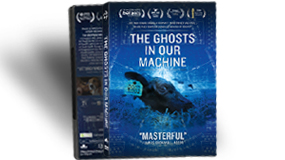
To describe the power of The Ghosts in Our Machine, I borrow the words of Guillevic: “It’s a question of seeing so much clearer, of doing to things what the light does to them.” Like a poetic rendition of a shattering truth, tempered with images of the beauty of animals, Liz Marshall allows us access to the acuity and heart of Jo-Anne McArthur’s vision. Their synergy has resulted in a masterful work that compels the viewer to not turn away but rather experience and be invited into the true meaning of compassion – to feel another’s pain as if it were our own and to want to ease it. The film’s poignant images and judicious words expose our relationship with other species – a reminder to those of us who already know that world. To those who have given it little thought, it is an enlightened introduction. While many work to end violence, disrespect, or neglect of the species with whom we share this planet, in Ghosts, Marshall and McArthur do so in a uniquely effective and moving way. They do as “the light does.” They allow us to see “so much clearer,” an experience certain to lead all but the most callous to want to change our relationships with other species and end the suffering.
My respect and appreciation to everyone who helped make Ghosts the powerful voice that it is. I am honored to support it!
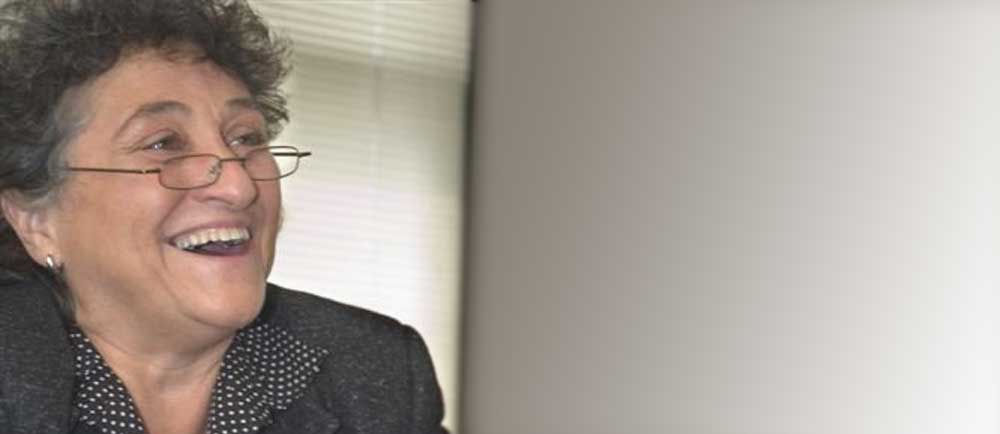
by Theodora Capaldo, EdD
Psychologist
President, New England Anti-Vivisection Society
neavs.org
A licensed psychologist with over 35 years experience, Theodora Capaldo infuses her passion for animals with her professional background to effectively work on their behalf. First introduced to animal research in sixth grade through a NEAVS publication, fate led her to later become NEAVS president. She has revitalized one of the oldest animal protection organizations in the U.S. – spearheading NEAVS’ national campaign Project R&R: Release and Restitution for Chimpanzees in U.S. Laboratories; strengthening its educational affiliate, the Ethical Science Education Coalition; and, as trustee, bolstering its sister organization, the American Fund for Alternatives to Animal Research.
Theo is co-author of the first published paper on post-traumatic stress disorder in chimpanzees from research. Under her direction, NEAVS published and she co-authored several additional papers exposing the toll biomedical research takes on chimpanzees and how scientifically unnecessary and flawed their use is. NEAVS’ body of work established a foundation that helped lead to the highest levels of U.S. science and government critically examining chimpanzee use. Her goal – affording the first non-human species protection from invasive research – is being realized.
Theo and Kibou, a rescued Shiba Inu, live in a beautiful home she designed and built outside of Boston. There she finds sanctuary from the demands of working on behalf of animals, surrounded by forest, fields, and New England wildlife.
Read Theodora’s article “Why Chimpanzees?”.







Comments are closed.